Adult, Marriage, Couples, Premarital, and Relationship Counseling
Two decades of clinical experience | Doctor of Theology (Th.D.) and approximately four decades of licensed and ordained ministry | Honorable military service rooted in service, integrity, and responsibility
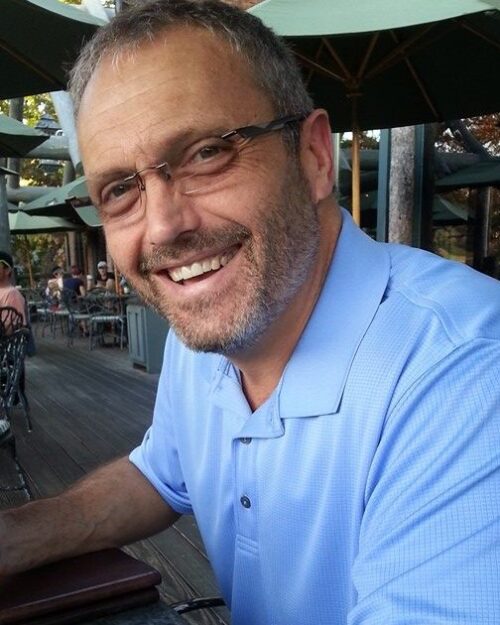
Michael Reynolds, MSMFT, LPC, is a Licensed Professional Counselor with two decades of clinical experience helping adults and couples navigate difficult seasons, strengthen important relationships, and move beyond patterns that have left them feeling stuck, disconnected, overwhelmed, or discouraged. His work is especially focused on marriage and couples counseling, premarital preparation, relationship conflict, communication difficulties, emotional disconnection, trust injuries, insecurity, unhealthy dependency, emotional regulation, and developing greater confidence and responsibility in everyday decisions.
Michael understands that beginning counseling can feel vulnerable. Some people arrive unsure of what to say, worried they will be judged, or concerned that a counselor may tell them what they should think or do. His goal is to make the counseling room a place where clients can speak honestly, ask difficult questions, and work through painful or complicated issues without feeling condemned, embarrassed, pressured, or talked down to. He listens carefully, seeks to understand the person before trying to solve the problem, and believes meaningful change is most likely when people feel both respected and safe enough to be honest.
His counseling style is warm, relational, practical, and straightforward. Michael does not believe good therapy means simply agreeing with everything a client says, but neither does he believe people grow through shame, intimidation, or harshness. He works to balance compassion with honest feedback, helping clients understand how past experiences, learned beliefs, family and relationship systems, current habits, and personal choices may be affecting their lives today. Together, counselor and client identify repeating patterns and develop practical skills in self-awareness, emotional self-control, healthy boundaries, communication, conflict resolution, and thoughtful decision-making.
Michael earned a Master of Science in Marriage and Family Therapy from Harding University and a Doctor of Theology (Th.D.) from Midwest Theological University, conferred on August 1, 2026. His systems-based clinical training helps him look beyond an isolated symptom or conflict and consider the developmental, family, relational, spiritual, and environmental influences that may be shaping a person’s present experience. His work in acute psychiatric hospital and outpatient clinical settings has also given him a broad understanding of the ways emotional distress, life pressures, learned beliefs, and relationship dynamics can affect both individual functioning and the people closest to us.
For approximately forty years, Michael has also served as a licensed and ordained minister. His Christian faith is foundational to his life and influences the way he understands human dignity, love, truth, responsibility, forgiveness, marriage, identity, hope, and personal transformation. At the same time, Michael does not view the counseling room as a pulpit, and clients are not required to share his religious beliefs in order to be treated with genuine respect and care. For clients who specifically want Christian counseling, he is comfortable intentionally integrating biblical principles, Scripture, prayer, and spiritual formation into the counseling process. Faith integration is guided by the client’s beliefs, needs, and counseling goals rather than imposed upon them.
Michael has served honorably in the Arkansas Air National Guard, the United States Air Force, and the United States Coast Guard. Those experiences strengthened his appreciation for service, discipline, perseverance, duty, integrity, and personal responsibility. They do not, however, translate into a command-and-control approach to counseling. Michael does not see clients as people to order, lecture, or ‘straighten out.’ He sees counseling as a collaborative relationship in which his experience and training are used to help clients understand themselves more clearly, discover workable choices, and build the skills needed to move forward.
Michael especially enjoys working with people who want counseling to lead somewhere practical. Some clients need help finding their footing after a painful season; others want to improve a marriage, understand themselves more accurately, communicate more effectively, stop repeating destructive patterns, or grow in their ability to respond to life with greater steadiness and wisdom. Whatever brings someone into counseling, Michael’s aim is not perfection. It is progress: helping people become more aware, more capable, more connected, and better equipped to live according to the values and commitments that matter most to them.
Outside the counseling office, Michael enjoys spending time with his family and being outdoors. He enjoys biking, hiking, exploring, golfing, playing basketball, reading nonfiction and faith-based or personal-development books, watching science fiction, cooking outdoors, and having meaningful conversations with family and friends around a fire. Those ordinary parts of life matter to him and help keep his work grounded in the realities of relationships, family, growth, and everyday living.
How does your personality influence your approach to therapy?
One of the most influential things I heard during my Marriage and Family Therapy training at Harding University was that the most important tool a therapist brings into the counseling room is the therapist himself. I have never forgotten that. I try to bring genuine care, patience, honesty, humor when appropriate, and a willingness to meet people where they are. I want clients to know they do not have to perform for me or have everything figured out before they come in. My job is not to sit in judgment of you. It is to understand you, help you see what may be difficult to see on your own, and work with you toward meaningful change. I will be honest with you, but I never want honesty to become humiliation or confrontation for its own sake.
What can clients expect when working with you?
You can expect a conversation that is purposeful but still human. I will listen carefully, ask questions, and take time to understand what is happening before jumping to conclusions. We may look at past experiences, learned beliefs, relationship patterns, current choices, and the situations that keep pulling you back into the same cycle. From there, we will work toward practical change – greater self-awareness, healthier emotional responses, clearer communication, stronger boundaries, and more deliberate decision-making. I am not there to control your life or make your decisions for you. I want to help you become increasingly confident and capable in making those decisions yourself.
How do you approach couples and marriage counseling?
Couples often come to counseling when conversations have become painful, repetitive, defensive, or emotionally distant. My first goal is not to decide who is the ‘bad guy.’ It is to understand the relationship well enough to see the cycle the couple has become caught in and how each person experiences it. The contributions of the two partners are not always equal, and I do not force artificial blame-sharing. I help couples slow things down, communicate information without unnecessary accusation, listen with less defensiveness, take appropriate responsibility for their own behavior, rebuild trust where possible, and develop practical ways of relating that support safety, honesty, respect, and connection. Couples counseling should not feel like a courtroom. The goal is not to determine who wins; it is to help the relationship become healthier and each person become more effective within it.
Do you provide Christian counseling?
Yes. My Christian faith is foundational to who I am, and I welcome clients who want counseling that explicitly incorporates biblical truth. When that is what a client wants, I am comfortable integrating Scripture, prayer, Christian spiritual formation, and a biblical understanding of identity, responsibility, marriage, forgiveness, love, and personal growth into our work. At the same time, I do not use counseling to preach at people or pressure them into my beliefs. I want clients to be able to be honest about questions, doubts, struggles, failures, and even disagreements without fearing that they will be judged or rejected. My faith calls me to treat people with dignity, compassion, truthfulness, patience, and respect. Faith integration should serve the client and the counseling process, not overpower it.
How have your education, ministry, and military service shaped your work?
My background is broad, but I do not expect clients to be impressed by a list of credentials. I earned a Master of Science in Marriage and Family Therapy from Harding University and a Doctor of Theology (Th.D.) from Midwest Theological University. I have also served for approximately forty years as a licensed and ordained minister and served honorably in the Arkansas Air National Guard, the United States Air Force, and the United States Coast Guard. Each of those experiences has taught me something useful: clinical training taught me to understand people in the context of their relationships and life experiences; ministry deepened my understanding of faith, hope, suffering, forgiveness, identity, and spiritual growth; and military service strengthened my appreciation for service, perseverance, integrity, and responsibility. I bring those experiences into counseling as resources to serve the client – not as positions of authority over the client.
What would you say to someone considering therapy for the first time?
You do not need to know exactly what is wrong, know what to say, or be comfortable with counseling before you begin. Many people are nervous when they first walk in. Some are afraid of being judged; some are exhausted; some simply know that what they have been doing is no longer working. We can begin there. My goal is to help you make sense of what is happening, understand the patterns that may be shaping your life or relationships, and identify realistic steps forward. You are not coming in to be graded. You are coming in to have someone work alongside you as you try to make something important in your life healthier.
What do you enjoy outside of counseling?
I enjoy spending time with my family and being outdoors. Some of my favorite activities include biking, hiking, exploring, golfing, playing basketball, cooking outside, and sitting around a fire with family or friends having a meaningful conversation. I also enjoy nonfiction, faith-based, educational, and personal-development books, along with a good science-fiction movie or television series. Those simple things are important to me and help me stay connected to the parts of life that matter outside the counseling office.